
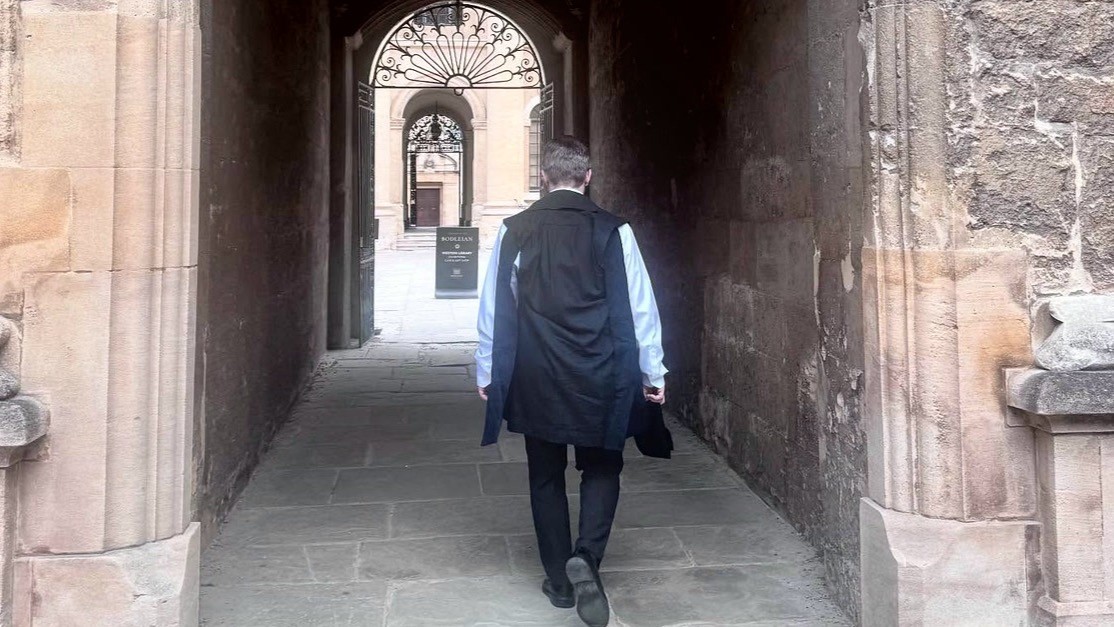
From the outside, it looked like ambition. It took me five years to understand what it really was.
Everything you’ve seen from me on LinkedIn until now has quietly been about this exact moment.
If you’ve been following me for a while on this platform, you may already be aware of my progression. Just five years ago, updating my profile’s “About” section or commenting on a peer’s post, felt torturous. Today, Linkedin is ingrained into my morning routine and the reason why I can call myself a podcast host (Navigating Major Programmes).
I’ve published dozens of articles exposing myself—pushing myself to be vulnerable, accepting my failures, and learning how to become a better leader. I’ve spoken to dozens of experts from every corner of major programmes, all while searching for one thing: purpose.
Around 2018, my company exited the lump-sum turnkey construction business; new investment origination was no longer part of my work. I went from developing investments to managing the ones we already had, alongside responsibility for a digital portfolio. Still interesting work, but not what made me tick.
Finding myself disconnected with my role for over two years, I sought professional guidance to spruce up my LinkedIn profile in 2021—even though I didn’t know which company I wanted to apply to or which recruiter I hoped would find me. Still, I wanted to be prepared for whatever came next.
The Burnout Truth
Earlier in my career, burnout was easy to explain: I worked every weekend and slept too little. But the last five years, it had become a chronic, mental exhaustion.
You would not expect someone who was burnt out to start a podcast, prepare for a TEDx talk, become an angel investor and apply to a master’s programme at Oxford. Yet that is exactly what I did. Each new venture was another attempt to find the satisfaction I couldn’t find in my work.
I kept doing more, hoping that eventually, something would feel like enough.
Maybe you’ve experienced this. You think the work you are doing is super important, so you give it all your time and energy. You give up the mornings of your vacations because it’s just that important. But then something happens, and the importance of the work you just sacrificed for gets diminished. The recognition doesn’t come, and you feel undervalued, under appreciated, and like it wasn’t worth all that you gave up.
When the sense of purpose I had built around my work began to collapse, I poured the restlessness it left behind into anything that felt productive.
Some Dead-End Lessons
The path to finding my dream job was not linear. It cost me a significant financial investment and likely caused a few headaches for my wife as, over the last five years, she listened to me announce yet another possible direction.
For those same five years, I somewhat unknowingly documented the search as a whole here on LinkedIn, thinking I was writing separate stories.
I wasn’t.
Everything I have done over these years, and subsequently documented here on LinkedIn, has been one story:
I duped Oxford and confronted my imposter syndrome. I hired a personal brand coach and then questioned if I posted on Linkedin too much. I started a podcast before I felt ready. I studied Ted Lesso to become a more empathetic leader. I told my boss I quit and then didn’t. I spent more than a year in therapy, I made kitesurfing my identity, I went back to Oxford to learn everything I could about AI. I moved houses just to feel lighter (and to aid my LEGO addiction). I even pursued a fellowship and realized it was all for my ego. I spoke on panels, I mentored entrepreneurs and lost a significant investment in a pre-seed to demystify my entrepreneurship urges.
Some were dead ends, some obviously meaningful, and each brought me closer to understanding what I was actually searching for.
Your Dream Job Doesn’t Exi—…
Perhaps my dream job search took so long because I was looking at existing job postings. I have spent the last year making a beeline to a role that didn’t even exist and spent even longer preparing myself for it.
I am passionate about major programmes (the podcast should be a clear indicator of that), but I wanted to be close to the beginning of the lifecycle, when something was still being developed and the financing work was happening.
For years, I knew nuclear was where I should go; I just couldn’t see how these pieces could come together. I started my career on the engineering side of major infrastructure before moving into project finance, and this role has brought those two parts of my career together.
Finding my role within nuclear financing feels like the pinnacle. The magnitude of these programmes is almost incomprehensible.
A nuclear project can take decades. Securing approval for a site alone can take three to five years, and before anything can be designed or built, the capital needs to be secured. When you are talking about raising $40, $50 or $60 billion, this is major programmes on steroids.
My role is to support the nuclear business and help clients understand how new nuclear power projects can be financed and where the required capital might come from.
Right now, that means participating in government-to-government discussions with Turkey and Poland. These governments want to understand the technology, how they could finance it and what export credit might be available. They also have structural limits on how much they can borrow. My job is to help build the financial models that show them how these projects could be financed and where they could find the required capital.
In nuclear, where the capital comes from is critical. My previous financing work was more plain vanilla: commercial banks and commercial institutions. Some commercial institutions are not even allowed to invest in nuclear, and commercial banks may require a government guarantee before lending to a nuclear project. These were not issues I had encountered in the projects I financed before.
Fortunately, the basic principles are the same. It has been incremental learning rather than starting from scratch. I understand the mechanics and the theory, and I have worked extremely hard to educate myself. We have also brought in advisers with experience working on comparable nuclear transactions to fill the gaps. One of our first exercises was reviewing the last 20 nuclear transactions completed around the world. There simply are not that many precedents to follow.
The magnitude became real for me during a trip to Turkey. I was meeting with deputy ministers, and our clients joined us for dinner at the ambassador’s official residence, hosted by the ambassador themself. As someone historically prone to impostor syndrome, you’d think this is where it would start to creep in, yet I have barely mentioned it in relation to this role. Brené Brown would be proud.
The little bit that remains has nothing to do with whether I understand the subject matter. It appears when I consider the calibre of the people I now deal with every day. Am I capable of managing their expectations? Am I good enough to deal with the C-suite?
Yes, I am. I am back where I need to be with an arsenal of tools that I never had before. I feel galvanized because I have all this experience, all this knowledge and all these tools that I never had before. I can really make a difference. I can really make an impact.
Happiest I’ve Ever Been
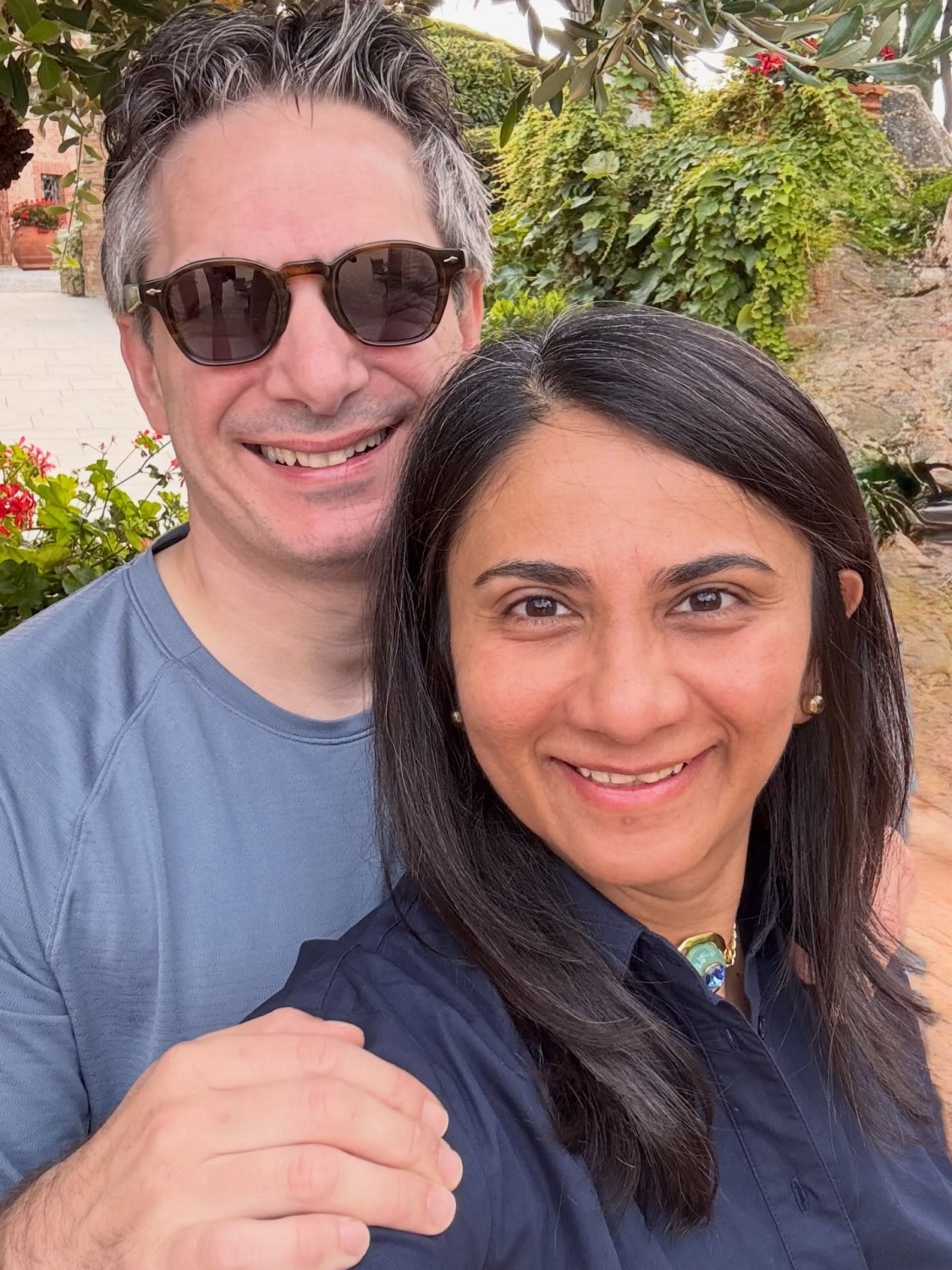
On a personal note, I don’t think I’ve been this happy in 15 years. I knew I had more to give, but I couldn’t figure out where it belonged. I didn’t realize how much carrying that unanswered question had weighed on me until I found my new role.
This summer, Divya and I took a vacation to Italy (Florence, Siena, etc.) and I worked every day for a few hours. It was the best vacation I’ve ever had. I worked because I wanted to. The work gives me purpose. I believe it matters, and I believe I can make a meaningful impact through it. This role isn’t taking, it’s giving.
I used to guard my vacations like Fort Knox. They were my only relief from burnout. Looking back, the problem went deeper than exhaustion.
I didn’t believe taking a week off would negatively affect the work. The harder truth is that I didn’t believe giving it another week would positively affect it either.
I recognize that I am still in the honeymoon phase and may experience burnout again. Right now, that possibility feels very far away. After years of searching for something I could not name, finding it has released an energy I did not know I still had in the second half of my career.
Senior Vice President, Nuclear Financing is much more than a title to me. It is the culmination of years spent searching and learning, and eventually, creating the dream job I could not find. I am grateful for how long it took because of who I have become through the process. The old me would have never been able to say this privately, let alone post it publicly on Linkedin, I am very proud.