
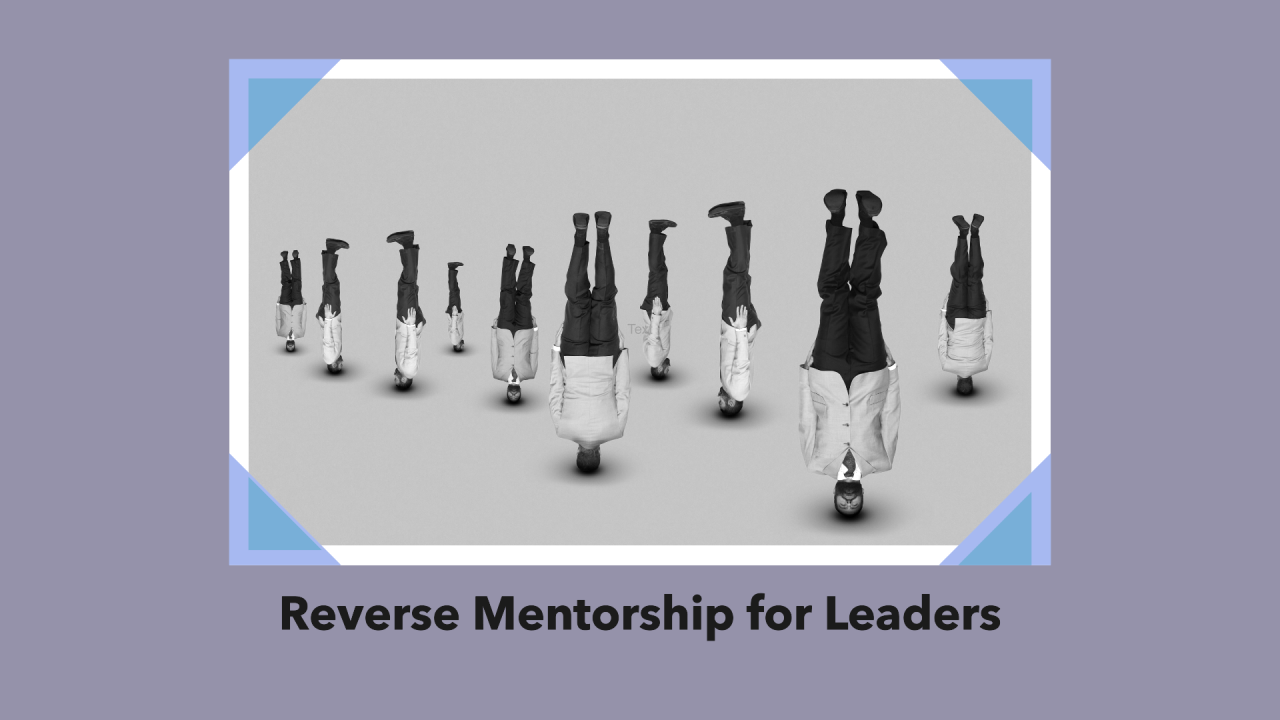
What everyone gets wrong about mentorship—and why LinkedIn needed yet another article on the topic.
I know what you’re thinking, “Not another LinkedIn article about mentorship.” And trust me, I’ve been putting off writing this one because what else is there to say on the topic other than “mentorship is important?” But after speaking with some of my colleagues over the past few years, I’ve noticed this common misconception amongst leadership: that mentorship should always come from those more experienced or higher up in the organization.
The truth? The best lessons come from everywhere—especially from people who are better than you in a particular area and yes, that often means the fresh-eyed generation just entering the workforce. Great leaders know that hiring experts who surpass them in specific domains is key to success, but where I often see the disconnect is when it comes to reverse mentorship. Before we really dive into it, ask yourself this question: Is my ego blocking my ability to learn? For a while, mine was.
Formal vs Informal Mentorship
While I fully believe formal mentorship and reverse mentorship programs are beneficial to any organization, we tend to overvalue formal mentorship structures, focusing too much on finding someone higher up the chain to guide our careers. But I’ve found that the most impactful mentorship is often unstructured and informal. These are the moments that catch you by surprise—the conversations you don’t realize are shaping you until later.
So, how do you recognize it when it’s happening? Simple. Stop looking only for upward mentorship and start embracing the wisdom from those around you, especially those who might have skills or knowledge that surpass your own. Whether it’s new technology, trends, or just a fresh perspective, these informal exchanges offer the richest learning opportunities.
We often hear the advice to hire people who are smarter or more skilled than ourselves in certain areas, and I wholeheartedly agree. But to truly leverage that expertise, you need to embrace reverse mentorship. This means acknowledging that the person you brought into the team to handle something you’re less familiar with can—and should—mentor you.
Bridging The Gaps
I’ve been approached by many within my organization for mentorship, but I always approach it as a two-way street. When someone seeks me out as a mentor, I split the time in two. For 30 minutes, I offer my guidance. The other 30 minutes? I get to ask them questions, learn about areas of the business I’m unfamiliar with, or dive deeper into topics I need to improve on—I’ve recently been learning about machine learning through my reverse mentorship and it has provided me with a more holistic perspective on the future of our company and industry that I would have otherwise not had. This approach not only sharpens my leadership skills, but it also reinforces the idea that no matter how senior you are, you’re never done learning. And my hope is that it makes me more approachable for those less senior to come to with questions.
Hiring people who are better than you in specific areas isn’t just a smart business move—it’s essential for becoming a better leader. When you surround yourself with experts and embrace learning from them, you not only improve yourself, but you elevate the entire team. Reverse mentorship facilitates this exchange and helps you stay connected with every layer of the organization.
Understanding the skills of your team, and tapping into their knowledge, makes you a more effective leader. It’s no different than any other kind of knowledge. And when you combine that with an understanding of generational differences—especially the expectations and communication styles of younger employees—you become a more empathetic and adaptive leader. Reverse mentorship isn’t just about personal growth; it’s a business strategy. The more perspectives you have from different sectors and career stages, the better your decisions will be. Understanding the challenges of juniors, especially young professionals in larger organizations, provides a firsthand data point for improvement. I’ve worked closely with people who aren’t in my industry but offer insights that I couldn’t get anywhere else. This diversity of thought is what drives innovation and keeps your organization ahead.
Times Are Changing
As a Gen Xer, I grew up in a time when no one really asked for my perspective, and that mindset was just part of the leadership culture. Baby Boomers, who often led organizations back then, rarely sought input from younger voices. It was more about pushing through, doing the work, and not questioning the way things were done. Instead of projecting my experience onto the younger generation, I am actively doing the opposite. Just as knowledge improves leadership, understanding the skills and perspectives of your team—especially across generations—does too. If you understand the generational perspective you can better support them. It’s about recognizing that while the older generation may feel they had it tougher, every era comes with its own challenges.
A lot of C-levels get hung up on their ego and the label—mentor, mentee, reverse mentor—instead of focusing on the outcome. What matters is the exchange of knowledge and the continuous learning process. At the end of the day, a leader’s success is measured not by how much they know but by how much they’re willing to learn from others. No different than knowledge makes you a better leader, knowing the skills of your team makes you a better leader.
If you’re looking to implement mentorship into your career, here are some practical steps:
- Identify Potential Mentees and Mentors: Look for individuals across different levels and departments who can offer unique perspectives and insights.
- Set Clear Objectives: Define what both parties hope to achieve from the mentorship, whether it’s learning new skills, understanding different perspectives, or fostering innovation.
- Schedule Regular Meetings: Ensure that there are regular touchpoints, whether monthly or bi-weekly, to maintain momentum and track progress.
- Encourage Open Communication: Foster an environment where both parties feel comfortable sharing their knowledge and experiences.
- Evaluate and Adjust: Continuously evaluate the effectiveness of the mentorship and make adjustments as needed to ensure that both parties are benefiting.
Remember, it is not necessary for mentorship to be so formalized. If you look closely at those who you interact with professionally, you may already have mentees and mentors at your disposal. So did LinkedIn need another article on mentorship? Let me know in the comments.